
The Best of Both Worlds: Understanding Plug-in Hybrid Technology
Plug-in Hybrid Electric Vehicles combine electric driving with the flexibility of a petrol engine. Here's how the technology works and why batteries are central to its evolution.
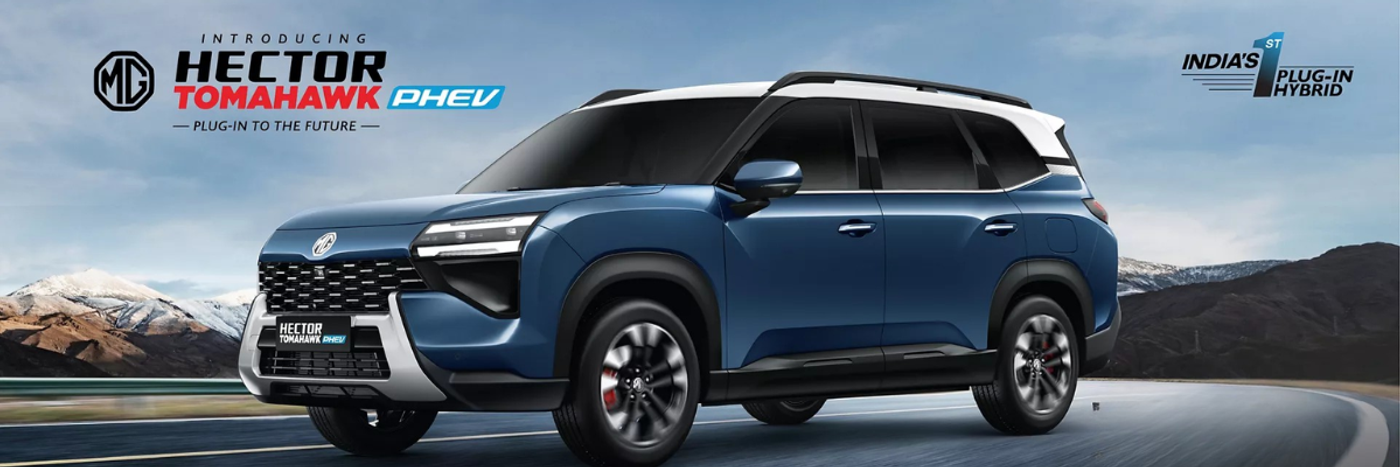
What happens when electric mobility meets the convenience of a conventional engine?
That's the idea behind a Plug-in Hybrid Electric Vehicle (PHEV). It combines an electric motor and rechargeable battery with a petrol engine, giving drivers the flexibility of both technologies. Unlike regular hybrids, PHEVs can be charged using an external power source and driven on electricity for shorter journeys. When more range is needed, the petrol engine steps in.
How Does It Work?
A PHEV brings together three key components:
Battery Pack: Stores electricity for electric driving.
Electric Motor: Powers the wheels quietly and delivers instant torque.
Petrol Engine: Provides additional power and driving range when required.
The vehicle's control system manages how these components work together.
PHEV vs Hybrid vs Fully Electric
Plug-in Hybrid (PHEV): Runs on petrol and electricity, with an externally rechargeable battery and electric-only driving capability.
Regular Hybrid (HEV): Combines a petrol engine and electric motor, but charges its battery through the engine and regenerative braking.
Fully Electric (BEV): Runs entirely on electricity, using a rechargeable battery with no petrol engine.
The biggest difference is that PHEVs offer externally rechargeable electric driving along with a conventional engine.
Why Does It Matter?
Plug-in hybrids offer driving flexibility, reduce dependence on petrol for shorter trips and create new opportunities for battery technology. However, their real-world efficiency depends on regular charging and driving habits.
The Battery Connection
At the heart of every PHEV is a battery system that needs to deliver reliable performance, safety and efficient energy management. Battery packs, intelligent Battery Management Systems (BMS) and thermal management technologies are becoming increasingly important as automotive technology evolves.
The Road Ahead
The future of mobility isn't limited to one technology. Hybrid, plug-in hybrid and fully electric vehicles each have a role to play. Better mobility begins with better energy technology.