
The Future of Home Backup: Smart Inverters, Lithium Batteries and Solar Energy
Discover how lithium batteries, smart inverters and solar integration are shaping the future of reliable, efficient home backup power.
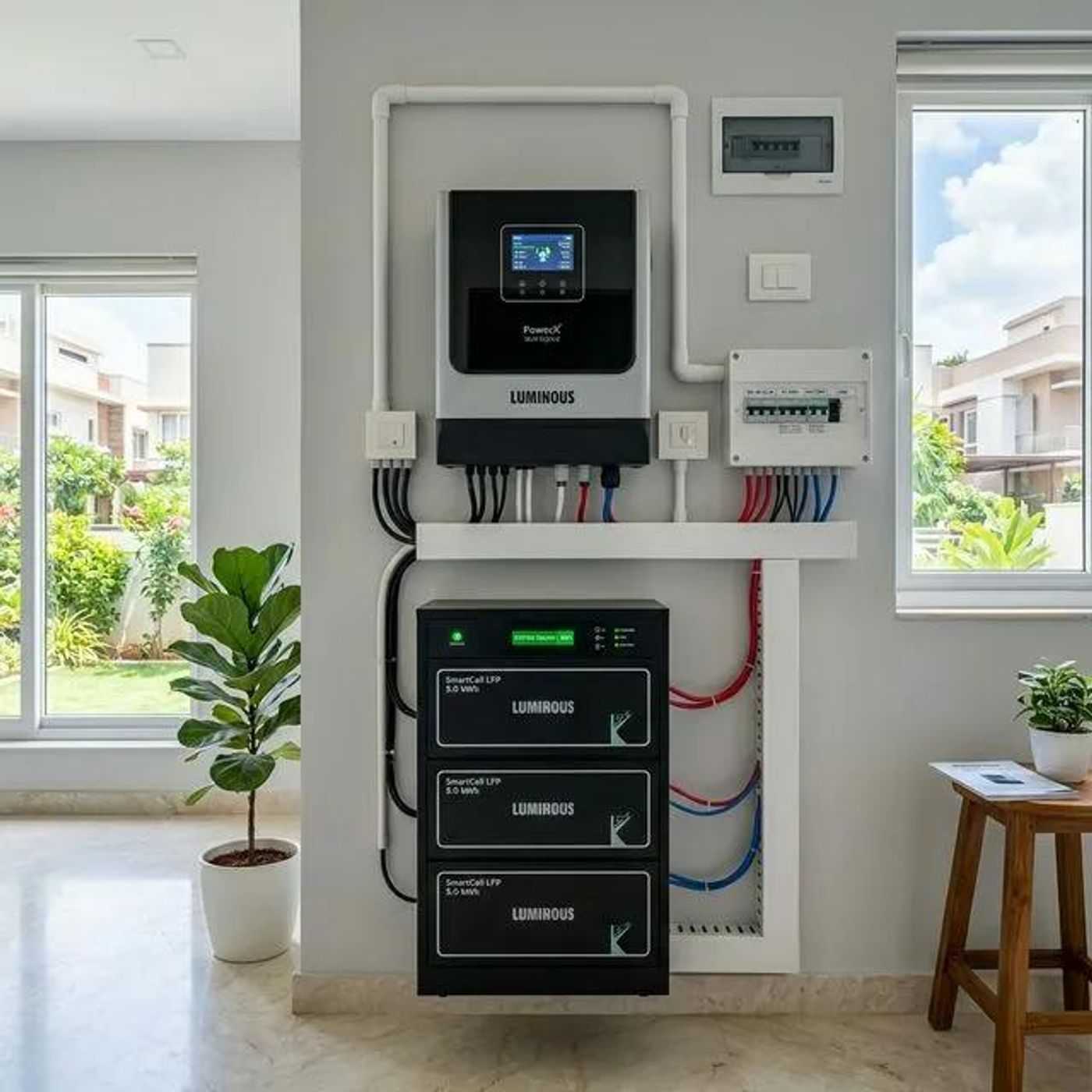
Introduction: How Is Home Backup Technology Changing?
Electricity has become an essential part of everyday life. From lighting and fans to Wi-Fi routers, computers and home appliances, modern households depend on a reliable power supply. However, power cuts can still interrupt daily routines, especially in areas where electricity supply is inconsistent. This makes home backup systems an important part of household energy planning. Traditionally, home backup meant installing an inverter and a lead-acid battery. Today, technology is evolving. Lithium batteries, smart inverters and solar energy integration are creating new possibilities for storing and managing electricity. But what will the future of home backup look like? Will lithium batteries replace traditional batteries? Can smart inverters make backup more convenient? And how can solar energy contribute to a more reliable home power system? To understand these changes, it is important to explore the technologies, their benefits and the factors homeowners should consider before choosing a backup solution.
1. How Does a Modern Home Backup System Work?
A home backup system typically consists of an inverter, a battery and the electrical loads that need backup power. When electricity from the grid is available, a compatible inverter can charge the battery. When the grid supply fails, the inverter uses the energy stored in the battery and converts it into AC electricity for connected appliances. The basic principle remains the same, but modern systems can include additional features such as digital monitoring, intelligent charging and battery protection. A modern home backup system may include: Inverter: Converts DC electricity from the battery into AC electricity for household appliances. Battery: Stores energy for use during power interruptions. Battery Management System (BMS): Monitors and manages battery operating conditions in compatible battery systems. Charging system: Charges the battery using grid electricity or solar energy when the system supports it. Protection features: Help protect the system against specified electrical faults and abnormal operating conditions. The future of home backup will depend on how effectively these components work together to deliver dependable power.
2. Key Developments Shaping the Future of Home Backup
A. Lithium Batteries for Modern Energy Storage Lithium batteries are becoming an important alternative to traditional lead-acid batteries in home backup applications. Lithium iron phosphate, commonly known as LiFePO₄ or LFP, is one of the chemistries used for stationary energy storage. It offers a combination of thermal stability, cycle-life potential and useful energy-storage performance. Potential advantages include: Reduced routine maintenance: Many lithium battery systems do not require the electrolyte checks associated with flooded lead-acid batteries. Compact design: Lithium batteries can provide substantial energy storage in a relatively compact package. Charging flexibility: Compatible systems can support faster charging, depending on battery specifications and charger capacity. Battery monitoring: Many lithium systems include a BMS to monitor operating conditions and manage protective functions. Long-term value: A longer service life may help offset the initial purchase cost, depending on actual usage, product quality and replacement requirements. However, lithium batteries generally have a higher initial purchase cost than many traditional lead-acid alternatives. Actual service life and usable capacity vary by battery chemistry, operating temperature, charging practices and product design. The right battery should be selected according to the household's backup requirements, budget and compatibility with the inverter. B. Smart Inverters and Intelligent Power Management The next generation of home inverters is focused not only on supplying backup power but also on improving the way energy is managed. Depending on the model, modern inverters may offer digital displays, configurable operating modes, intelligent charging controls and electrical protection features. These functions can help homeowners understand system status and manage their backup arrangements more conveniently. Important features to consider include: Automatic backup switching: Transfers supported loads to battery power when the grid supply fails. Smart displays: Show useful information about operating status, charging or battery conditions. Charging control: Helps manage charging according to the battery and inverter specifications. Electrical protection: Helps protect against specified conditions such as overload and short circuits. Monitoring options: Compatible systems may support wired or wireless battery monitoring. Some advanced systems also support communication between the inverter and battery, allowing the two components to exchange information about operating conditions. However, these features are not available in every product. Homeowners should check the specifications rather than assume that all modern inverters offer the same capabilities. C. Solar Energy Integration Solar energy is another important development in home backup technology. Rooftop solar panels can generate electricity during daylight hours. A compatible solar inverter and battery system can use that electricity to support household consumption and charge the battery when suitable conditions are available. For example, a household may use solar generation during the day and store some available energy for later use. When solar production decreases, the system may draw on the battery, depending on its configuration and operating mode. Potential benefits include: Better use of available solar generation. An additional charging source for compatible batteries. The possibility of reducing grid electricity consumption. Greater flexibility in managing household energy. However, solar integration requires appropriate system design. Not every inverter supports solar charging, and a standard grid-connected solar system may shut down during a grid outage unless it includes suitable backup functionality. The effectiveness of a solar backup system also depends on panel capacity, weather, household consumption, battery size and system efficiency. D. More Flexible Home Energy Systems Household electricity requirements differ considerably. A small apartment may need backup for a few lights, fans and a Wi-Fi router. A larger home may require power for computers, televisions, refrigerators and additional appliances. Future home backup solutions will increasingly need to accommodate these different requirements through appropriate inverter capacities, battery configurations and charging options. For homeowners, this means thinking about the complete energy requirement rather than selecting an inverter based only on its advertised capacity. A properly planned system should consider present needs, expected backup duration, appliance starting loads and potential future expansion.
3. What Are the Main Benefits of Modern Home Backup?
A. Greater Everyday Convenience A well-designed backup system can help keep essential appliances operating during power interruptions. This can be particularly useful for people working from home, students attending online classes, small business owners and households that depend on internet connectivity. The actual experience depends on the system's transfer time, available battery energy and the appliances connected to it. B. Reduced Routine Maintenance Battery technology influences the amount of maintenance a system requires. Flooded lead-acid batteries generally need periodic electrolyte checks and other maintenance. Many lithium battery systems require less routine maintenance, although they still need appropriate installation, inspection and operation. Lower routine maintenance can make energy storage more convenient for households. C. Better Energy Monitoring Digital displays and compatible monitoring systems can help users understand their battery and inverter status. Depending on the product, this information may include charging status, battery condition, system alerts or other operating data. Better visibility can help users identify issues earlier and understand how their backup system is being used. D. Integration with Renewable Energy A compatible solar and battery system can help households use available solar electricity and store energy for later. This may reduce dependence on grid electricity under suitable conditions. Actual savings depend on solar generation, electricity tariffs, battery costs, usage patterns and system efficiency. Solar integration is therefore an opportunity to consider during system planning rather than a benefit that every inverter automatically provides.
4. What Are the Limitations of Modern Home Backup Systems?
A. Initial Investment Lithium batteries and advanced inverter systems may require a higher initial investment than basic alternatives. Homeowners should compare the total cost of ownership, including expected service life, maintenance, warranty coverage and potential battery replacement, rather than focusing only on the purchase price. B. Limited Stored Energy Every battery has a finite amount of usable energy. Running more appliances or using them for longer periods increases energy consumption and reduces the available backup duration. A larger inverter does not automatically provide longer backup. Backup duration depends primarily on usable battery energy, connected load and system efficiency. C. Battery and Inverter Compatibility Not every battery can be connected safely or effectively to every inverter. Voltage, charging requirements, battery chemistry, current limits and communication requirements must all be considered. For lithium batteries, compatibility with the inverter's charging profile and the battery's BMS is especially important. D. Installation and Safety Requirements A home backup system must be installed according to the manufacturer's instructions and applicable electrical requirements. Suitable wiring, electrical protection, correct battery placement and qualified installation are essential. Lithium batteries also have specified temperature and charging limits that must be respected. Modern technology can improve protection, but no battery chemistry or electronic protection system eliminates every risk. E. Dependence on System Design Adding solar panels or a larger battery does not guarantee the expected results if the components are incorrectly sized or configured. A successful installation requires the inverter, battery, solar equipment where applicable and connected loads to work together as intended.
5. How to Calculate Your Home Backup Requirements
Before selecting an inverter and battery, estimate the power consumption of the appliances you want to operate during a power cut. Consider a household that wants to run three LED lights, two ceiling fans and a Wi-Fi router. Assume the following illustrative ratings: Three LED lights at 10 W each: 30 W. Two ceiling fans at 70 W each: 140 W. One Wi-Fi router: 12 W. The total running load is approximately 182 W. If these appliances need to operate for five hours, the required energy delivered to them is: 182 W × 5 hours = 910 Wh, or 0.91 kWh. The battery must store more energy than this because the inverter uses some energy during conversion and the entire rated battery capacity may not be available for use. For illustration, assume 90% inverter efficiency and 80% usable battery capacity: Required nominal battery energy = 910 Wh ÷ (0.90 × 0.80). This gives approximately 1,264 Wh, or 1.26 kWh. A battery rated around 1.3 kWh could be a starting point for further evaluation, but the final selection should allow for appropriate operating margins and follow the manufacturer's usable-capacity specifications. The inverter must also support the connected load, any starting surge and the battery's voltage and charging requirements. This example shows why it is important to calculate both the total load and the expected backup duration before purchasing a system.
6. What Should Homeowners Consider Before Buying a Future-Ready System?
Selecting a suitable home backup solution requires more than choosing a battery technology or inverter brand. A. Identify Essential Appliances Decide which appliances must operate during a power cut. Prioritising essential loads can help control system cost and energy consumption. B. Choose the Correct Inverter Capacity Check the combined running power of the connected appliances and consider starting currents for equipment with motors. C. Select a Compatible Battery Review the battery chemistry, voltage, usable energy, charging limits and BMS specifications. Confirm that the inverter supports the selected battery. D. Estimate the Required Backup Duration Calculate how long the essential appliances need to operate and select the battery capacity accordingly. E. Consider Solar Compatibility If you plan to add solar panels, confirm whether the inverter supports solar charging and whether the system can provide backup during a grid outage. F. Review Warranty and Service Support Check warranty conditions, installation requirements, product documentation and the availability of technical assistance. A well-chosen system should offer a practical balance of reliability, cost, safety and suitability for everyday use.
Conclusion: The Future of Home Backup Is Smarter Energy Management
The future of home backup will be shaped by lithium batteries, smart inverters and solar energy integration. Together, these technologies offer new ways to store electricity, manage backup power and plan household energy use. At the same time, system sizing, battery compatibility, safety and installation quality will remain essential. For homeowners, the most important step is to understand their actual power requirements before choosing a backup solution.